Affordable Driving Lesson for First-Time Drivers
Step-by-Step Driving Lessons: Register for Our Instructor-Led Driving Program Today!
Structured driving lessons present a comprehensive approach to learning how to operate a vehicle. Enrolling in an expert-led class can greatly improve a beginner's competence and assurance. The curriculum is carefully designed to address fundamental and complex driving methods, suiting learners of all backgrounds. Understanding what to expect in these classes can be incredibly valuable. There are several key components that foster productive learning and exam preparation.
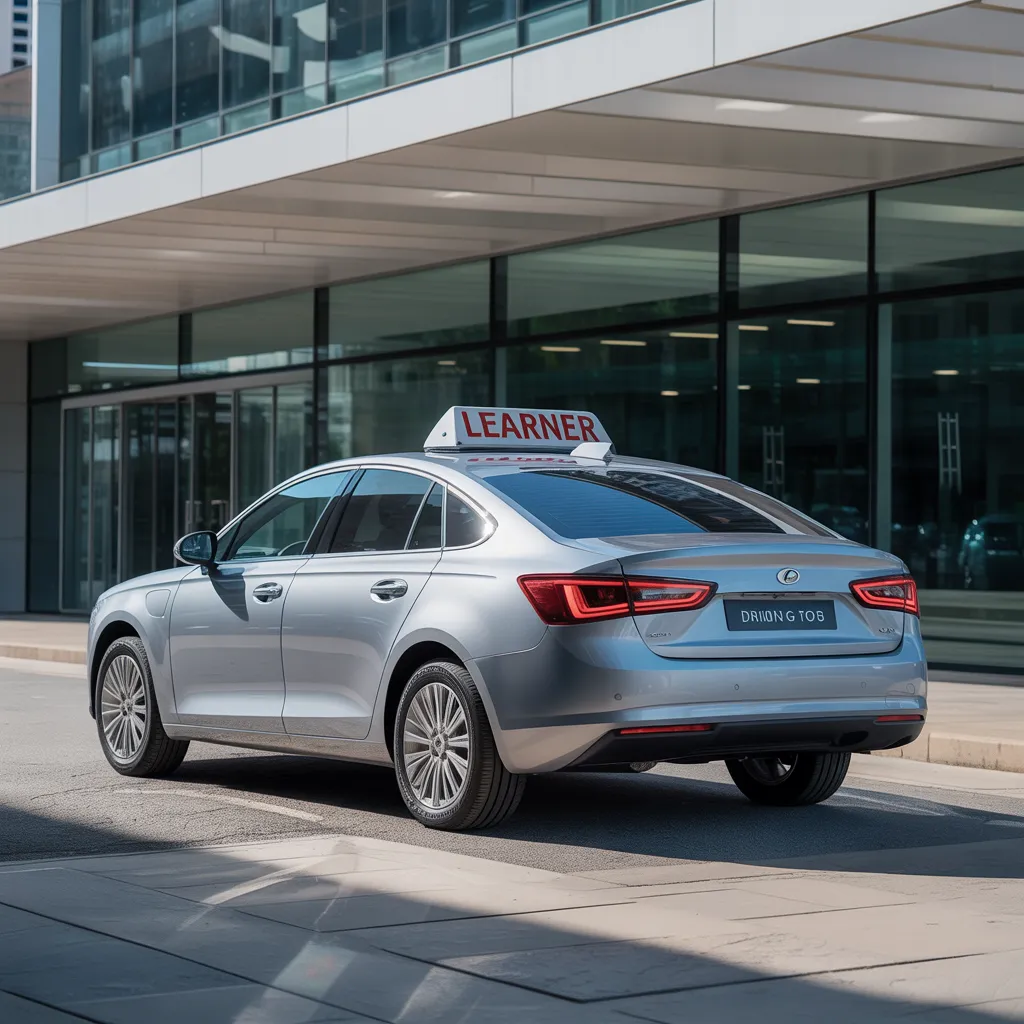
What You Can Expect During Your First Driving Class
Once a student begins their introductory driving course, they may notice a mix of anticipation and nervousness. The learning setting, often filled with fellow participants, creates the foundation for a significant experience. Instructors typically start with introductions, outlining the curriculum layout and safety guidelines. Students can expect to receive learning resources, including manuals and handouts, which will function as helpful resources throughout their learning journey.
The main concentration is mainly on learning about the vehicle's controls, basic road signs, and key traffic regulations. Instructors may also emphasize the value of maintaining a calm demeanor at the wheel. Learners are invited to raise questions, fostering a supportive learning atmosphere. After the theoretical portion, numerous courses feature real-world practice, where learners get acquainted Driving School with the vehicle in a controlled setting. This integration of theoretical and practical training prepares students for the journey ahead, instilling confidence as they begin their journey toward becoming responsible and capable drivers.
Driver Training Curriculum: Beginner to Advanced
A thorough driver training program involves a progression from basic skills to higher-level skills, making sure that learners develop a robust foundation before handling more challenging driving situations. At the outset, new drivers practice fundamental car handling, including directional control, brake control, and throttle control. Learners are taught essential driving laws, road signs, and responsible driving habits, offering a comprehensive awareness of the highway code.
When students exhibit competence in these fundamental skills, the curriculum advances to more intricate skills. This involves navigating different road surfaces, navigating harsh weather scenarios, and mastering defensive driving techniques. Additionally, learners are introduced to motorway navigation and challenging junctions, developing their skill to act decisively in challenging circumstances.
Throughout the curriculum, teachers stress the importance of environmental awareness and safe driving practices. This organized methodology prepares students not only to pass their driving tests but also to develop into skilled and assured drivers in diverse environments.
Gaining Confidence as a New Driver
Novice drivers commonly struggle with developing their self-assurance while driving. The initial experience of driving can be overwhelming, with numerous tasks to manage and a constant need for focus. In order to ease nervousness, novice drivers may find value in a measured, step-by-step introduction to a range of driving conditions. Commencing practice in areas with minimal traffic gives them the opportunity to strengthen core competencies away from the stress of busier, more intricate road conditions.
Practicing regularly is vital; the more time spent driving, the more familiar and comfortable they become with their vehicle and surroundings. Additionally, enrolling in expert-led driving classes offers structured learning and professional guidance, fostering a sense of security. Encouragement from qualified instructors and encouraging fellow learners can further boost a beginner driver's confidence. With practice and improvement, beginner drivers will notice their confidence building, converting driving from a difficult undertaking into a more pleasurable and empowering journey.
Getting Yourself Ready for Your Driving Test
What is the best way for a new driver to prepare for their driving test? Preparation is essential for success. First, familiarizing oneself with the vehicle is important. It is important for new drivers to be confident in using all controls, including lights, wipers, and signals. Furthermore, working on maneuvers including parallel parking, three-point turns, and lane changes will strengthen their driving skills.
In addition, examining the local driving laws and regulations can offer useful information into what examiners typically look for. Setting up a practice run with a qualified driving instructor can simulate the actual test environment, helping to reduce anxiety.
Ultimately, verifying all required documents are in order, such as the provisional permit and identification, is vital. By adhering to these guidelines, new drivers can face their driving test with confidence, improving their probability of passing on the first attempt.
Frequently Asked Questions About Driving Lessons
What should new drivers be aware of before commencing their lessons? Numerous people share similar questions about the driving lesson process. First, they often wonder about the age requirements; the majority of regions require that students be a minimum of 16 years old to acquire a learner's permit. A common question also relates to the length of lessons; typically, each session lasts about one to two hours, depending on the student's needs and skills.
Aspiring motorists also frequently ask about the pricing for their lessons. Prices can vary widely based on the area and the instructor's expertise. Moreover, many question whether they must bring their own vehicle; nearly all driving schools offer cars fitted with dual control systems for safety.
Additionally, pupils frequently ask about the training program. Thorough classes generally address essential driving skills, traffic regulations, and safety guidelines, making sure students are fully equipped for both their driving test and real-world driving situations.
What Makes Expert-Led Driving Lessons a Great Choice?
Why choose expert-led driving lessons over casual instruction? This comes down to the quality and overall effectiveness of the training offered. Qualified instructors hold comprehensive knowledge of driving skills, road laws, and safety guidelines, making certain that learners are provided with a thorough and detailed education. They follow a structured program that enhances skills in a gradual manner, enabling learners to more effectively comprehend difficult driving concepts.
Additionally, lessons led by experts commonly feature real-life circumstances, preparing learners to handle various driving conditions with skill. Teachers can offer tailored guidance and adjustments, which are essential for developing safe driving habits. Moreover, their professional knowledge permits them to customize instruction to specific learning needs, enhancing knowledge retention and ability development.
Furthermore, professional instructors routinely remain informed about up-to-date guidelines and innovations in driving education, confirming that their methods adhere to the latest industry standards. This level of dedication makes professionally guided driving lessons an excellent option for anyone looking to become a competent driver.

Questions Our Customers Often Ask
At What Age Can I Begin Taking Driving Lessons?
Typically, aspiring drivers can start taking driving lessons at the age of 16, although some regions allow students to begin at 15. It's crucial to review regional rules regarding minimum age requirements for driver education.
Is It Possible to Book Driving Lessons on Weekends?
Driving instruction is frequently available on weekends, accommodating a range of schedules. Numerous driving schools acknowledge the need for weekend availability, enabling learners to develop their driving skills without disrupting their weekday routines.
Can I Use My Own Car for Lessons?
Pupils can generally bring their personal vehicles for driving lessons, provided the vehicle meets safety requirements and is in good working condition. Driving instructors frequently support this practice to guarantee a sense of comfort and familiarity while learning to drive.
What Happens if I Miss a Class?
When a student is absent from a class, it may be necessary for them to reschedule or complete a makeup session. Rules surrounding attendance are not uniform, so the student should reach out to their instructor regarding any potential penalties or options.
Are Lessons Available for Both Automatic and Manual Cars?
Indeed, the program offers training for both automatic and manual cars. Participants can select their preferred transmission type, ensuring they receive individualized instruction that fulfills their unique driving needs and preferences for skill development.